Expedition to the last mountain
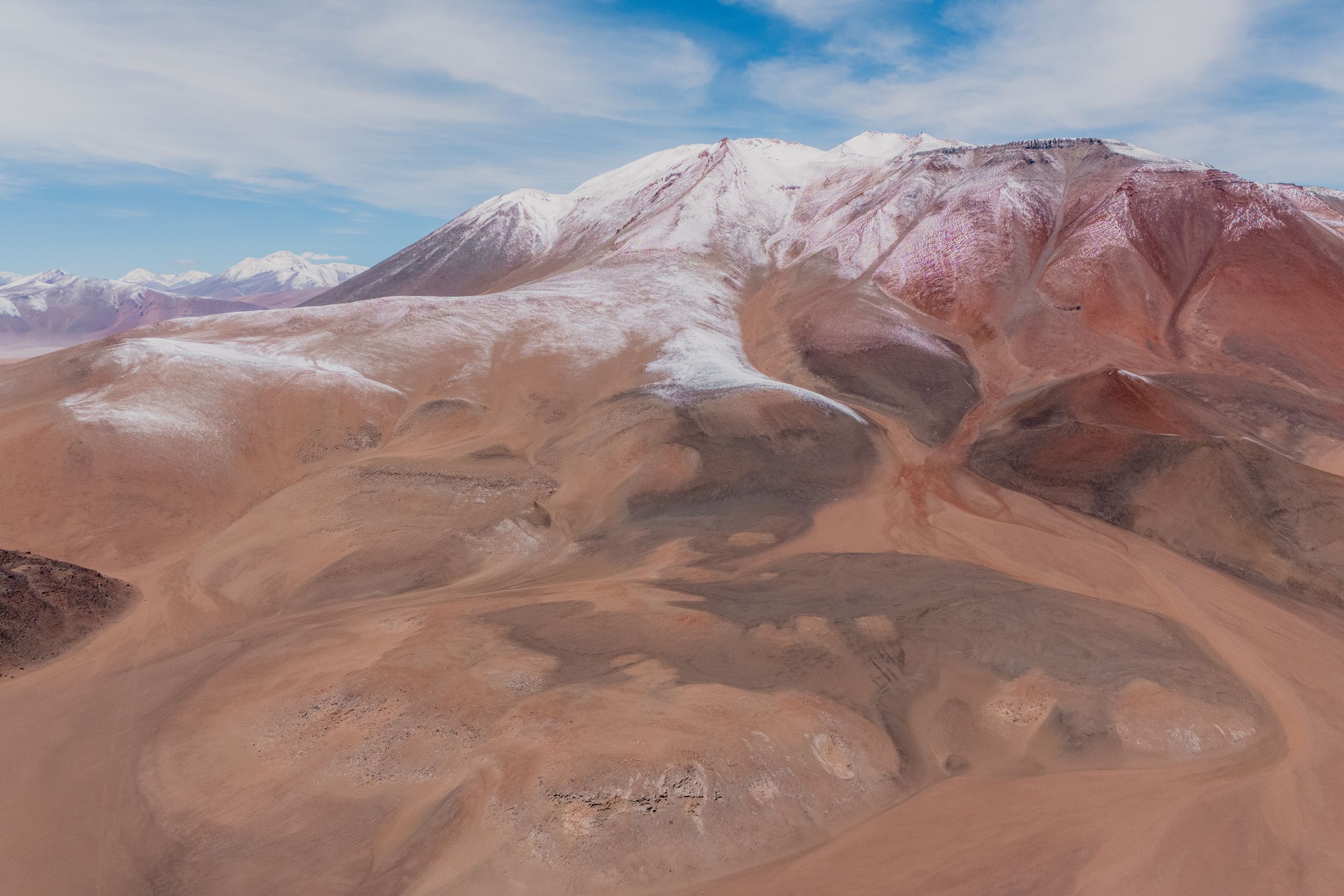
Cerro Laguna Escondida 5917mts
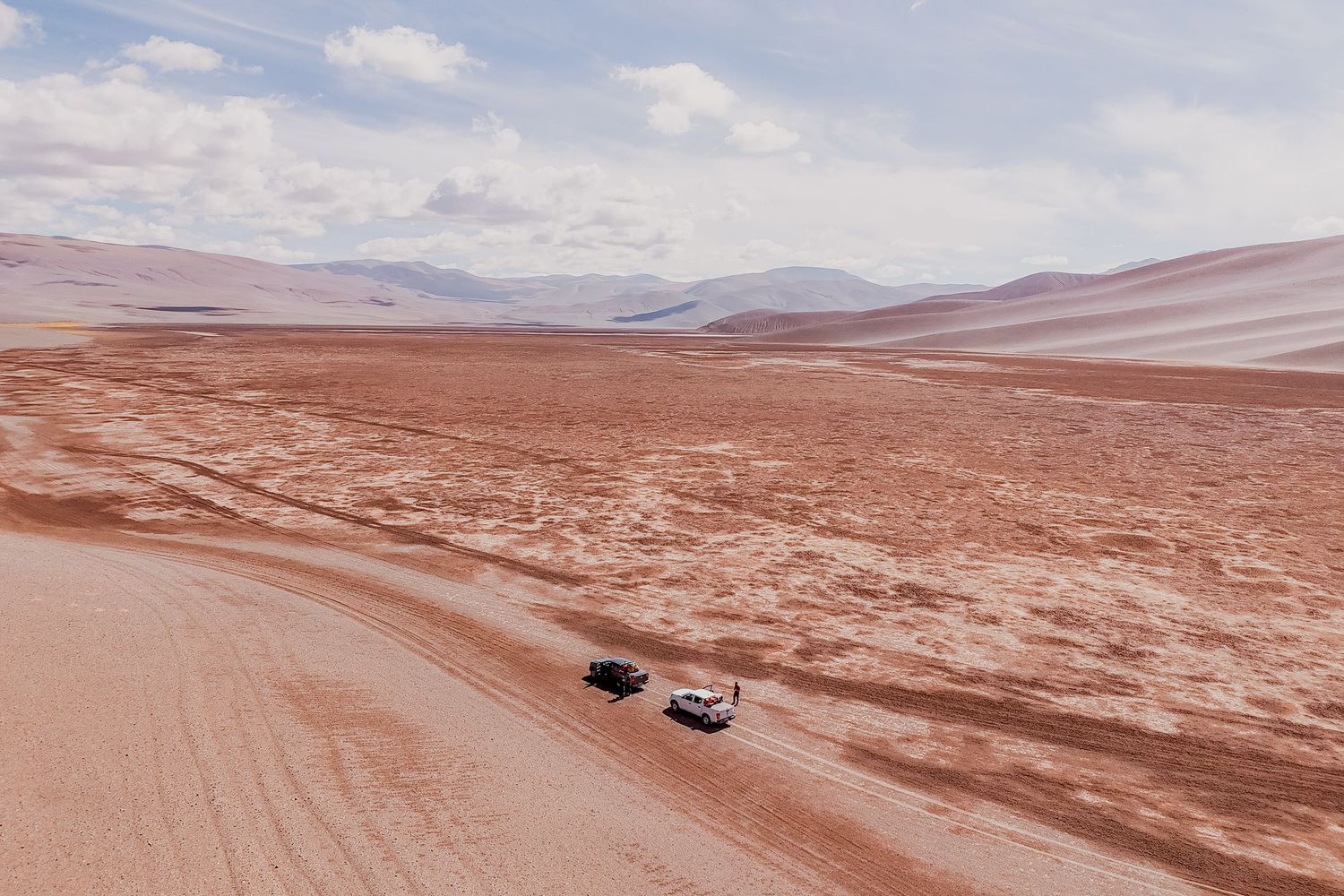
The decision should have been obvious, but decisions at altitude are never just about logistics.
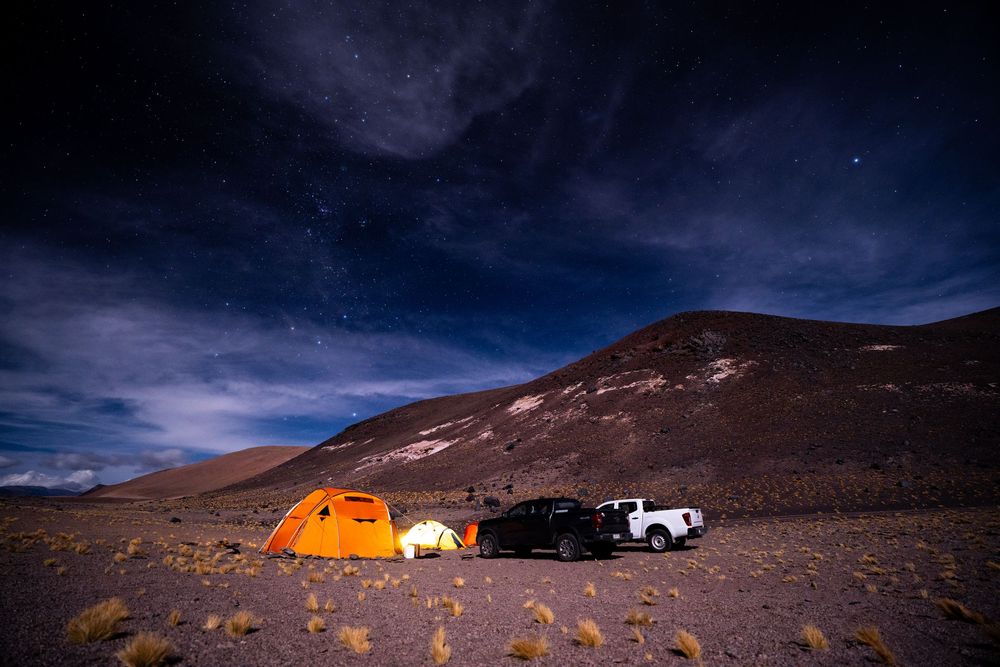
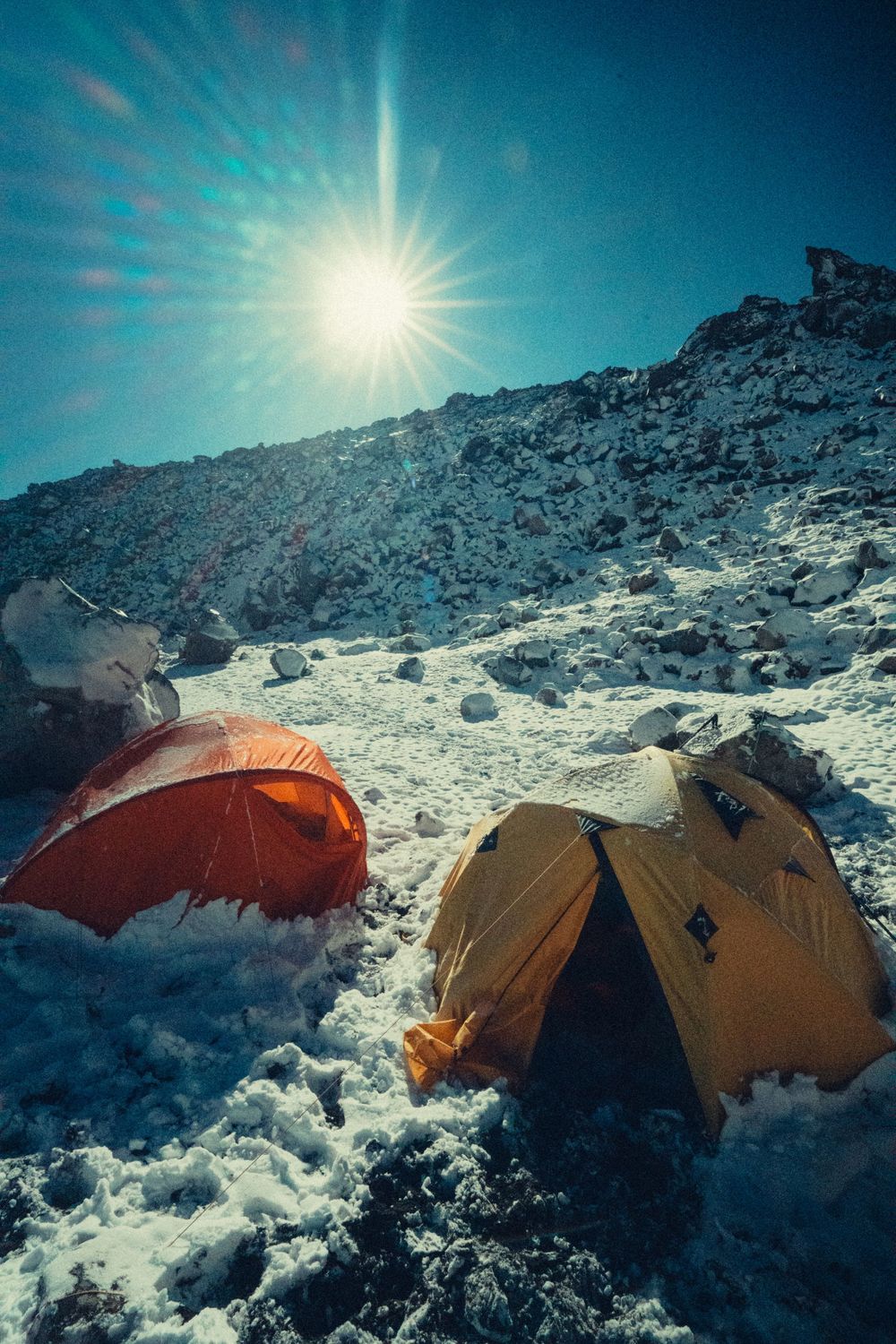
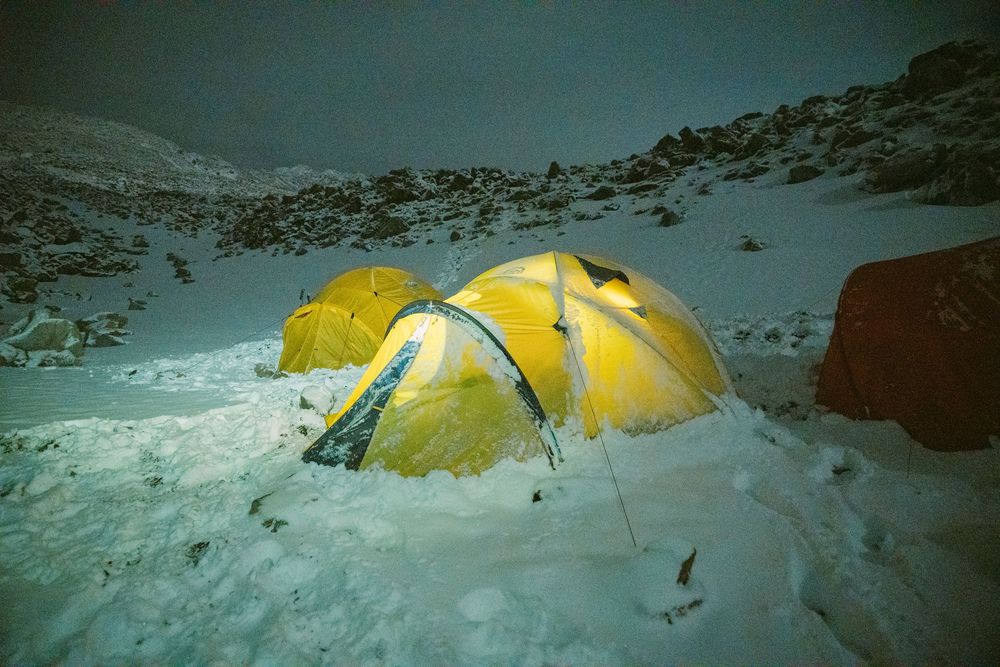
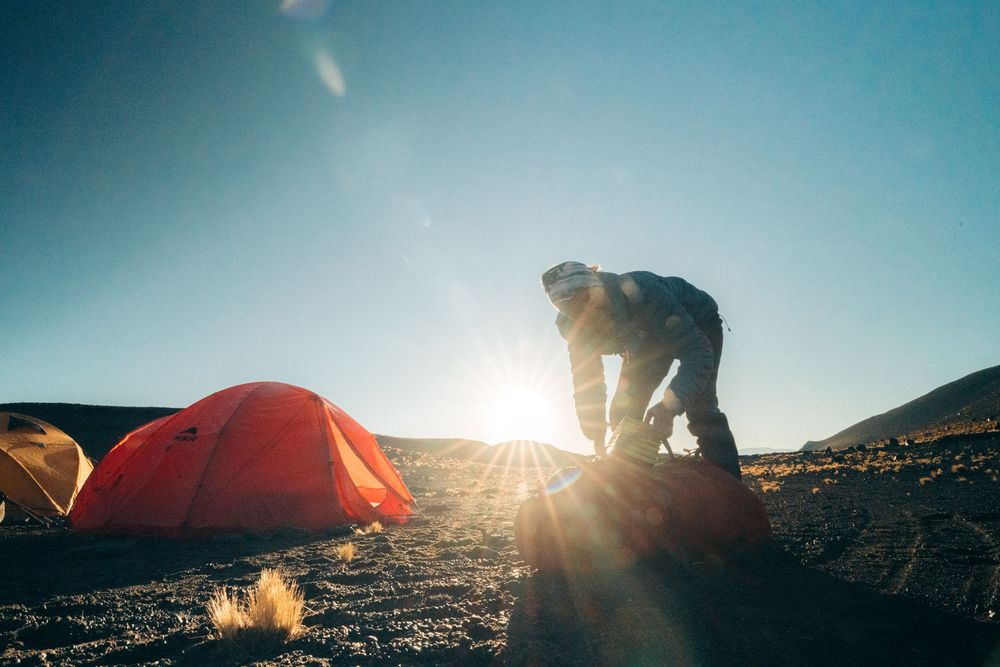
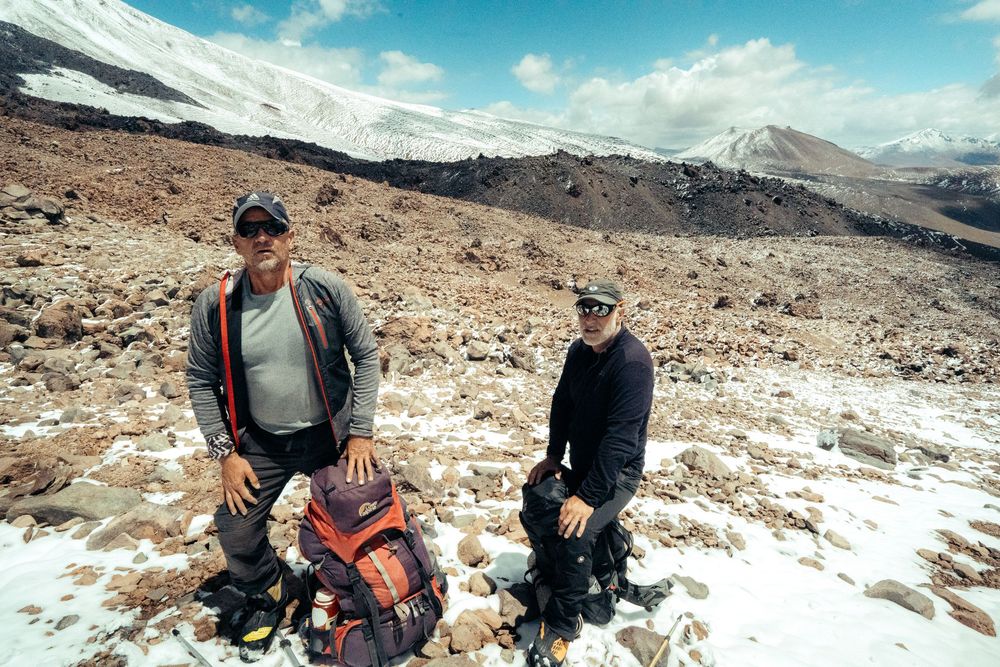
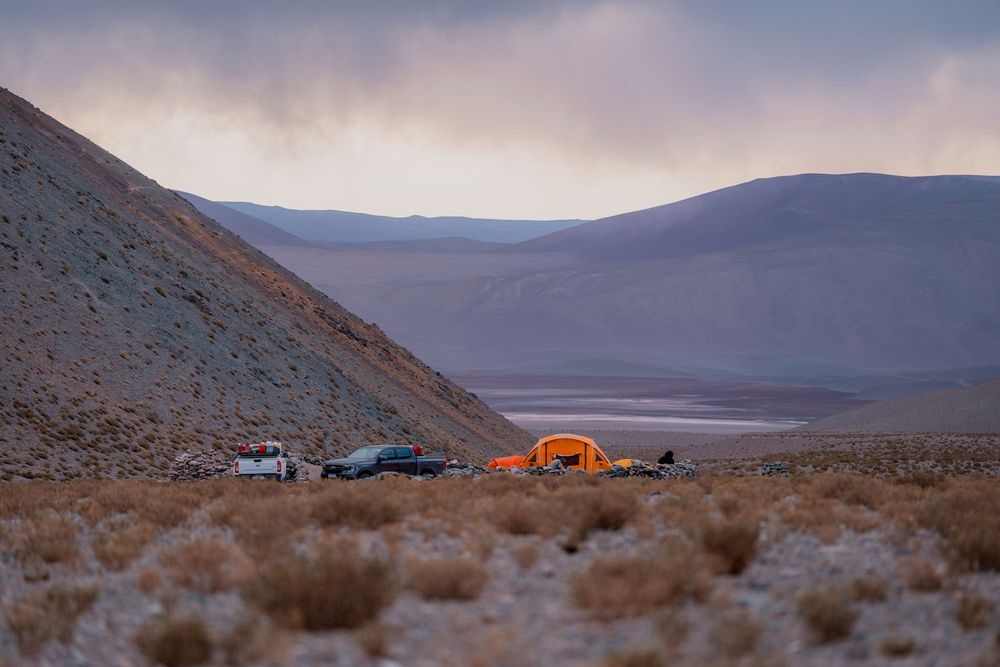
The snow wasn't supposed to be there. We were camped at Campo Bayo, 4,800 meters up in La Puna, a high-altitude desert in the Argentine Andes where it almost never snows. But here it was, falling steady and silent, burying our tents, our timeline, and any illusion that we controlled what happened next.
Diego stood outside, watching the accumulation. "We talk in an hour," he said. No one argued.
Inside, the math was simple. We had water for two days. Fuel for three. The storm could last longer than both. Two members of our eight-person team had already decided to turned back. The mountain we came for, Cerro Laguna Escondida, possibly the highest unclimbed peak in South America at 5,917 meters, was still a full day's approach away.
The decision should have been obvious, but decisions at altitude are never just about logistics.
Ten years earlier, three men from this same group had tried to reach Laguna Escondida. One of them was my father. Another was Henri Barret, a French explorer who had spent decades mapping the unmapped corners of the Puna. They were stopped by a snowstorm, the same surreal contradiction we were now living through. A blizzard in a desert.
Henri kept coming back. The Puna was his life's work. He knew its weather, its routes, its moods better than anyone. But in December 2024, a month before our expedition, Henri died. I never met him. But I knew about the unfinished climb.
My father couldn't make this trip so he suggested I could go, I had never been above 3,500 meters.
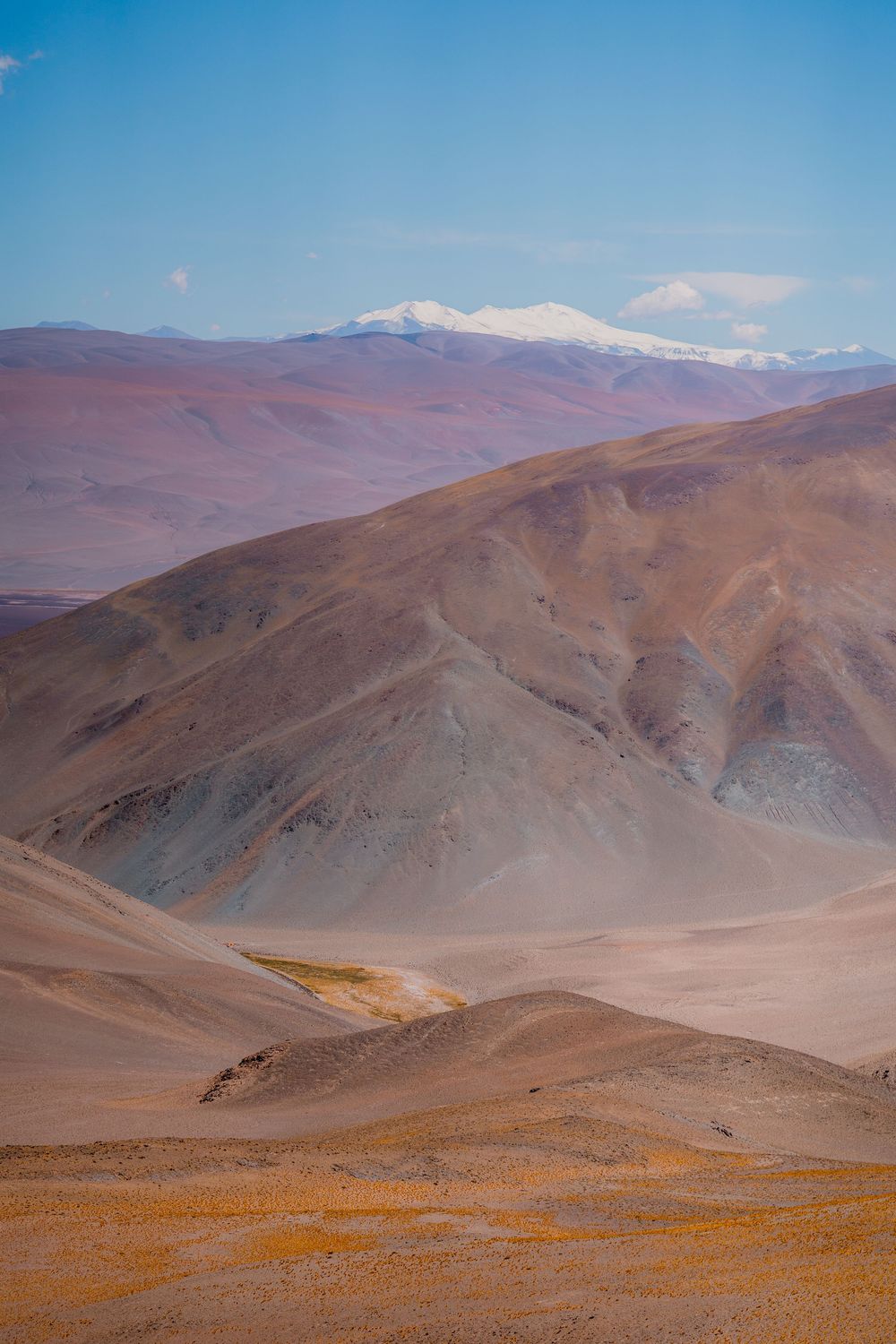
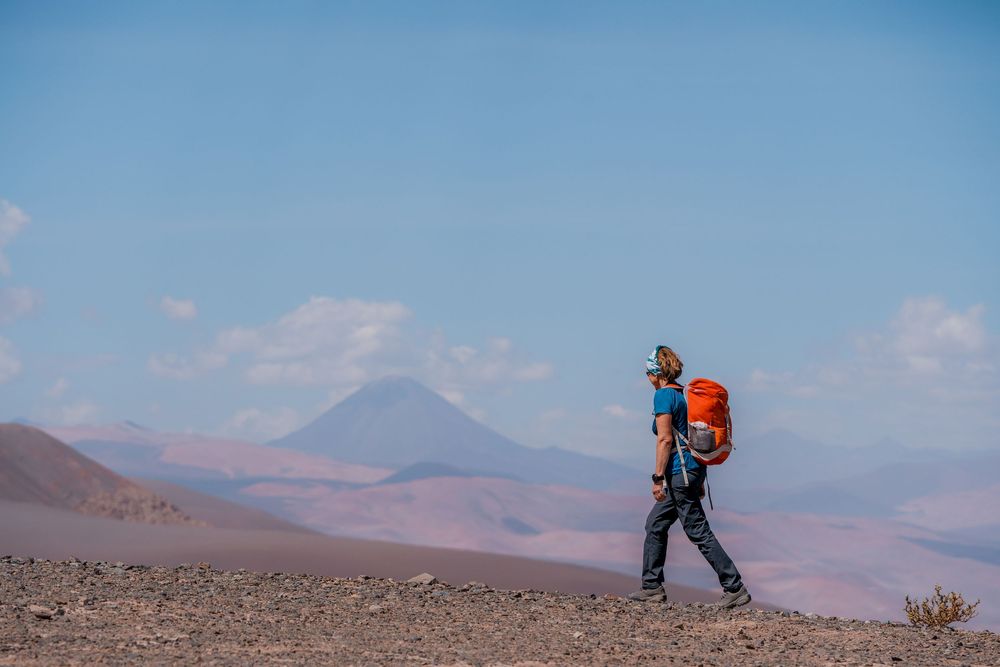
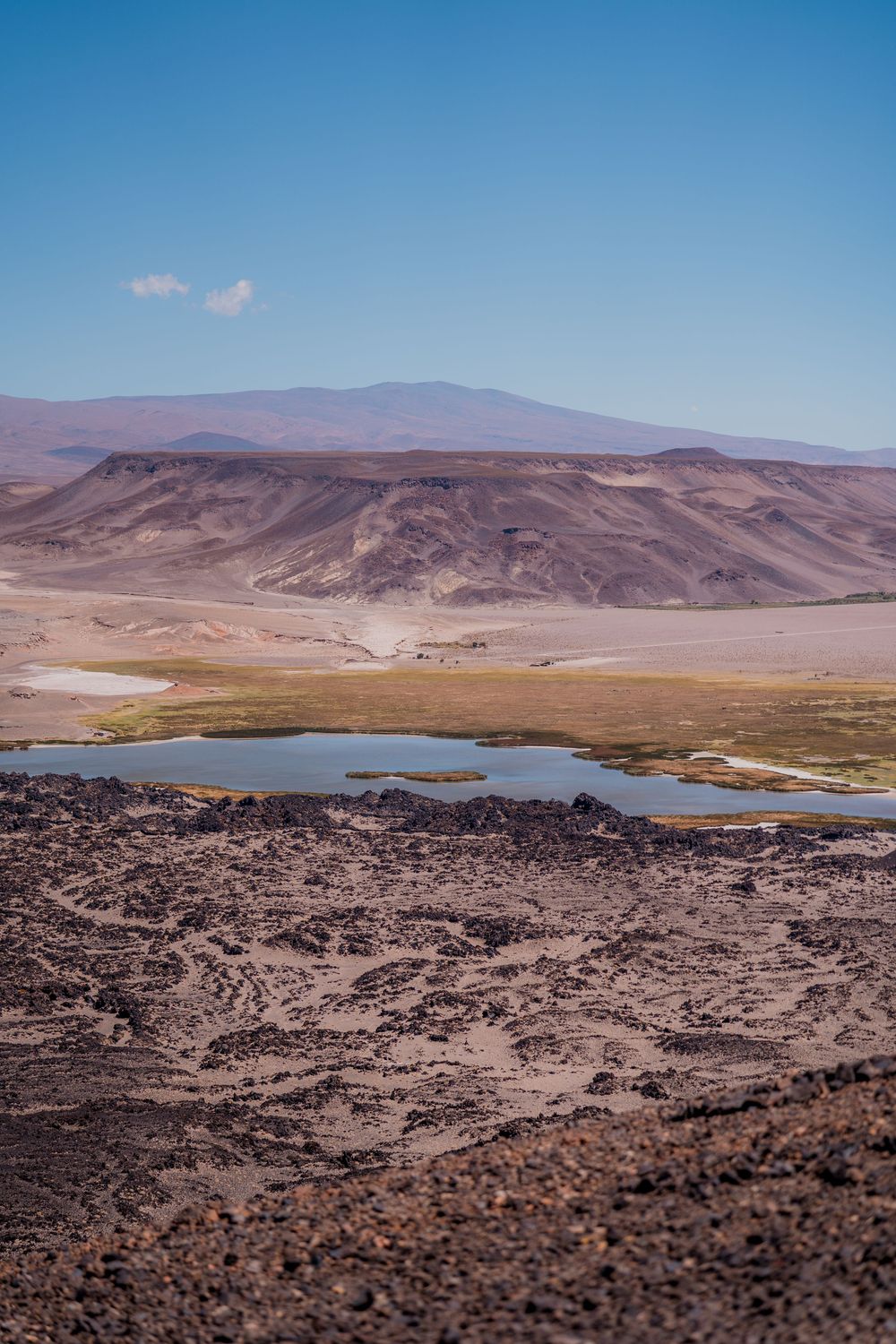
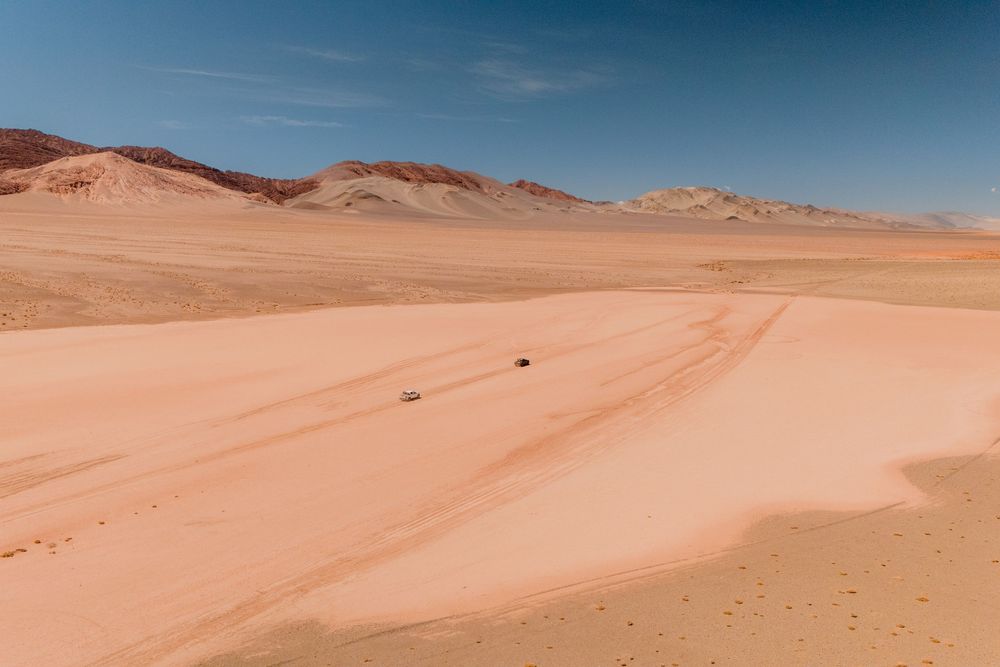
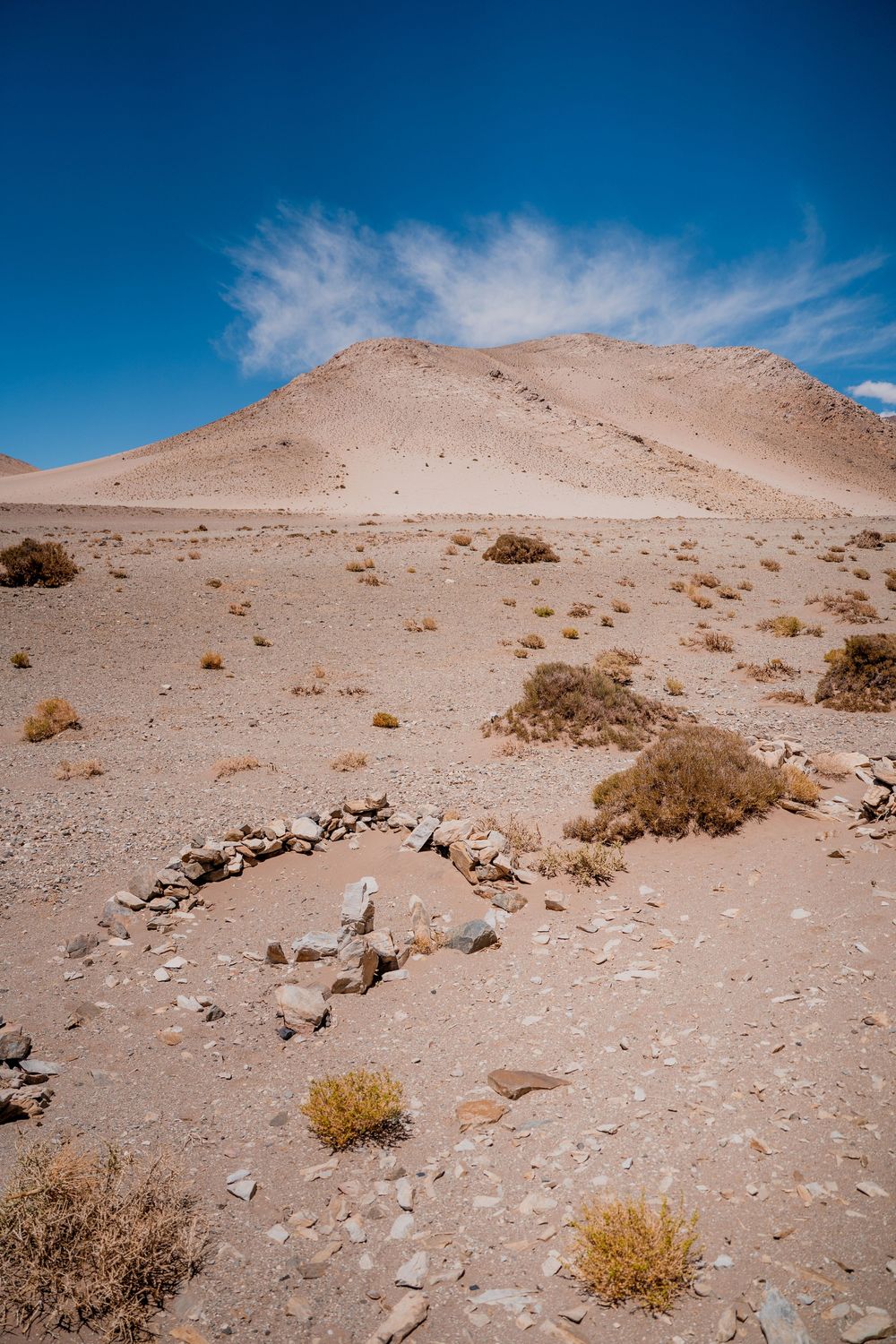
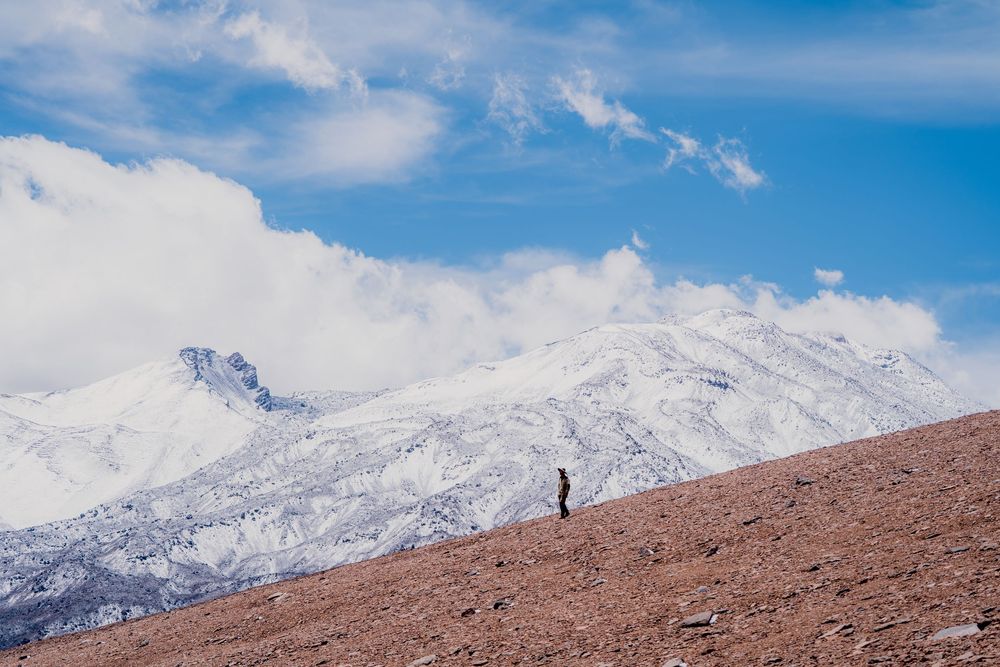
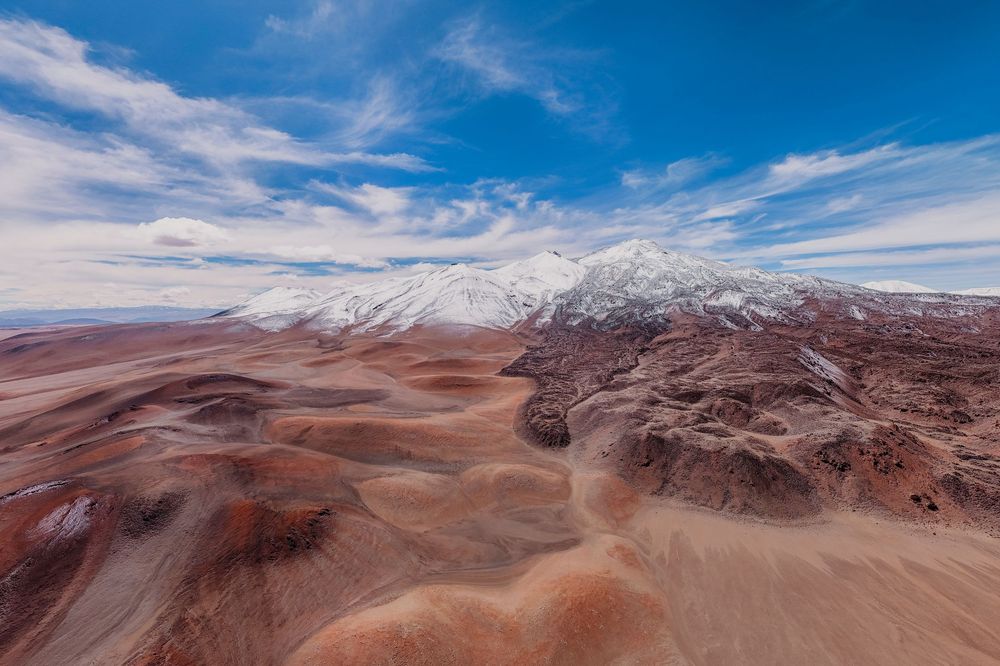
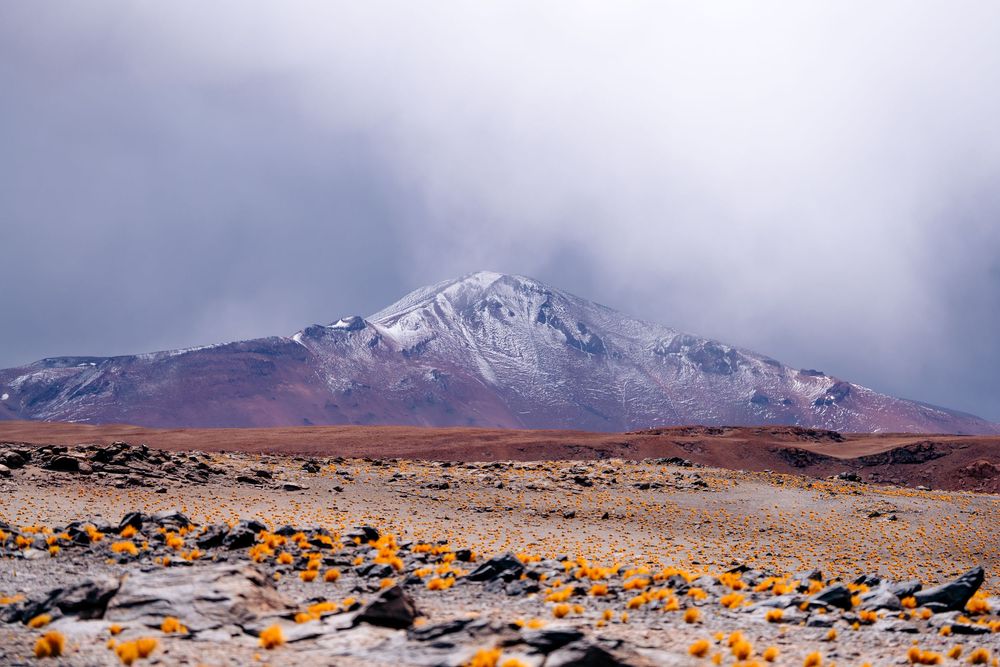
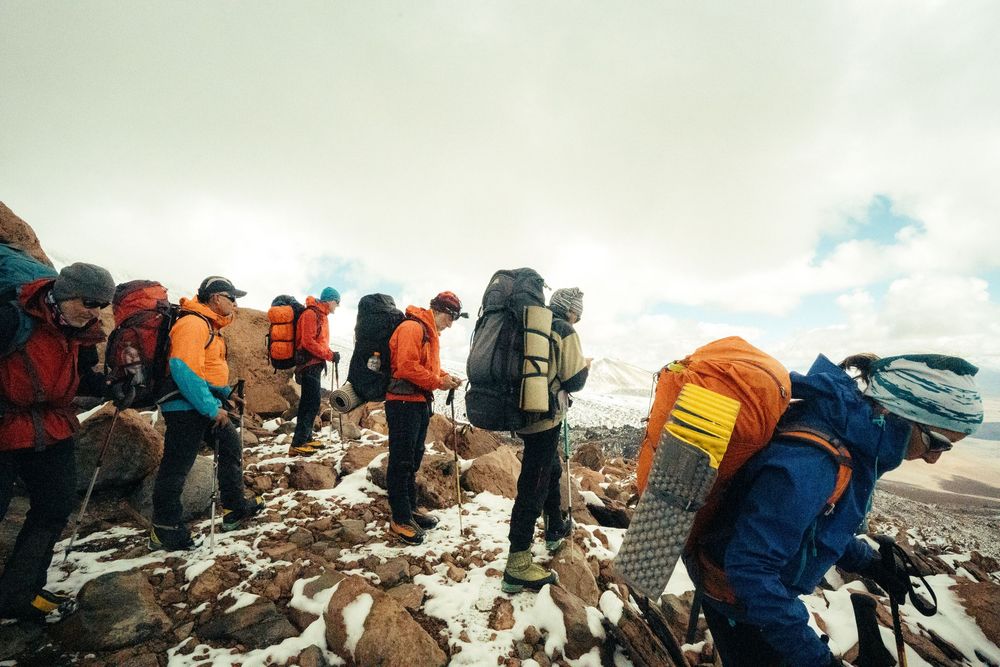
The first test came at Cerro de las Minas, a 5,000-meter warm-up peak we climbed from our approach camp at Salar de la Mina. The goal was simple: see what we were made of.
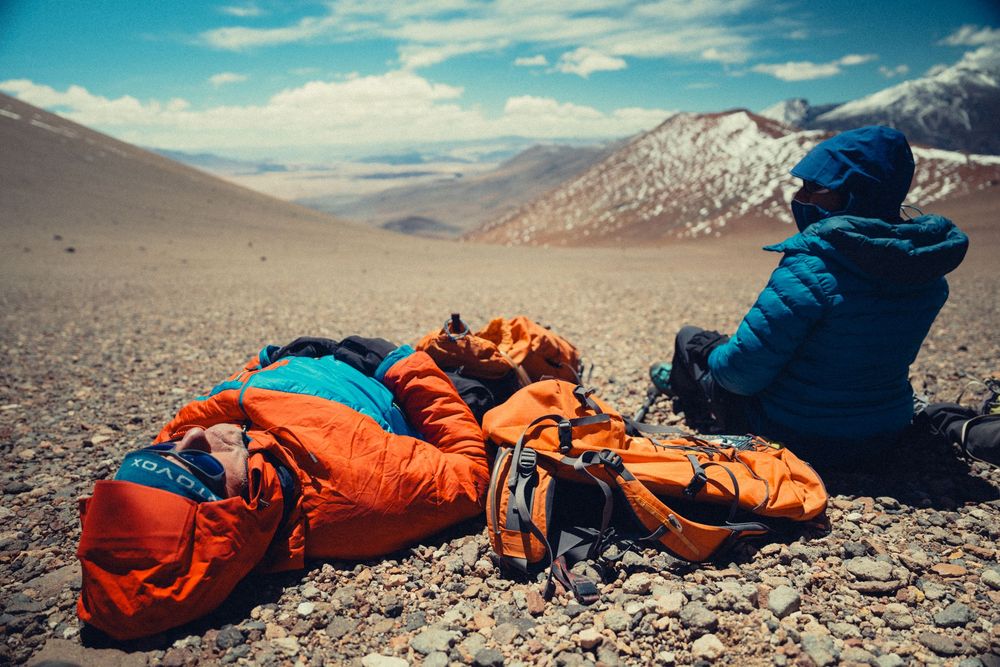
At 5,000 meters, atmospheric pressure drops by half. Every breath delivers 50% of the oxygen your body expects. Your lungs work twice as hard for half the result. It's not dramatic. It's just relentless.
I made it to the summit. Barely. The team got me there.
That night, Diego, our cook, grilled a full proper Argentina Asado over an open fire. He didn't say much. He didn't need to. We all understood: the real expedition started tomorrow.
Campo Bayo is what separates the tourists from the explorers.
Once you cross into this zone, a clock starts. The water you brought, the food you packed the fuel in your canisters, that's your window. There are no reliable maps here, just terrain and guesswork.
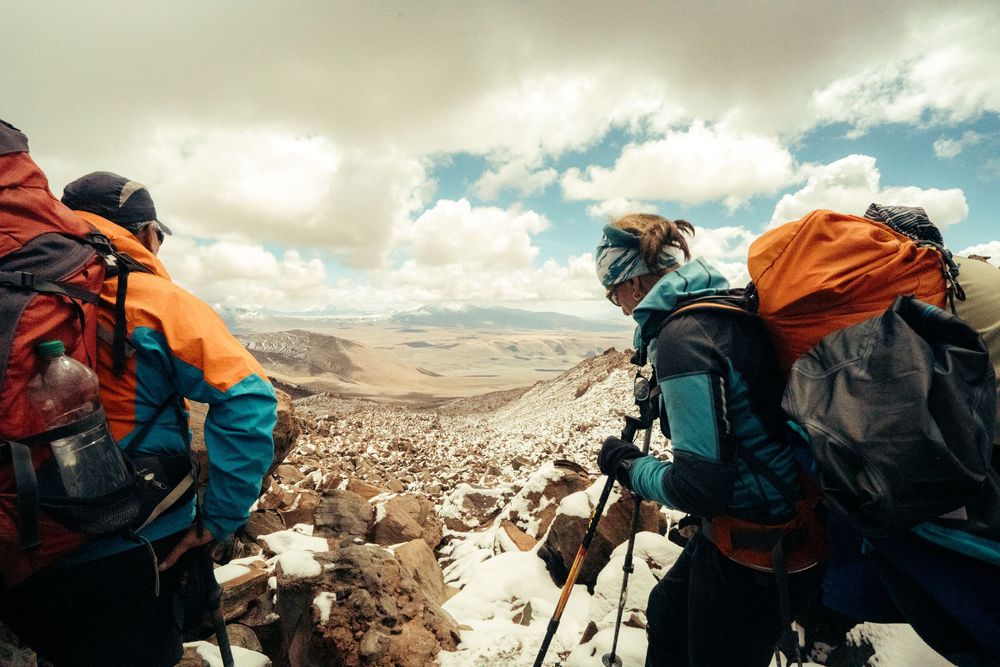
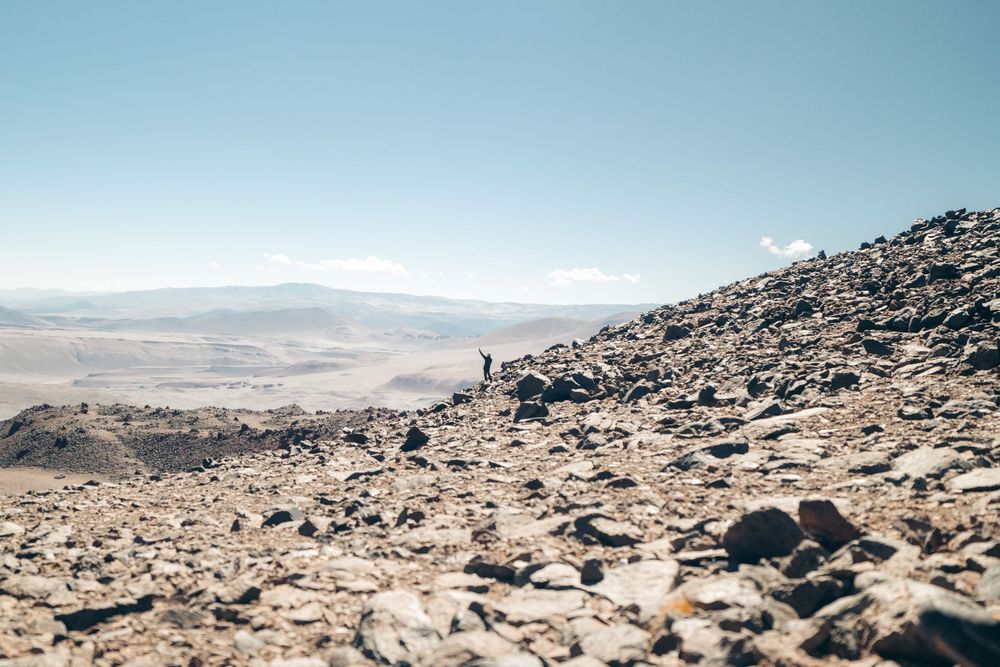
Every step forward is slow, breathing is constant work, and in spite of all of this no one wanted to be anywhere else. For those of us who love photography, this place is a paradise. The light at this altitude is different, thinner, sharper, unforgiving.
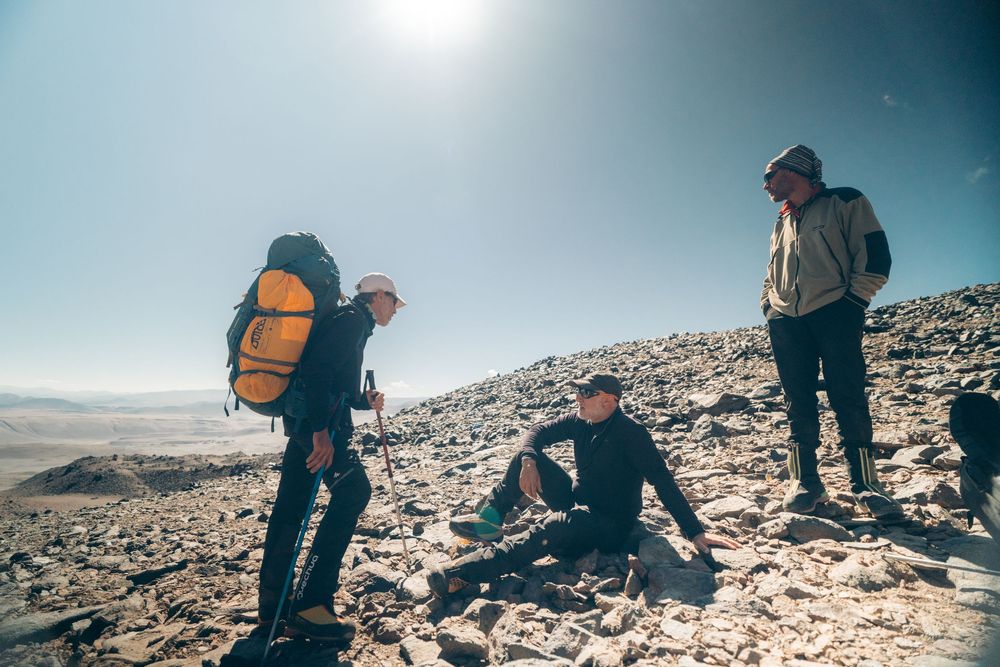
When we gathered to decide whether to descend, the conversation was quiet. No one raised their voice. At altitude, even talking is expensive. "The forecast isn't terrible," someone said. "The storms this time of year aren't usually intense."
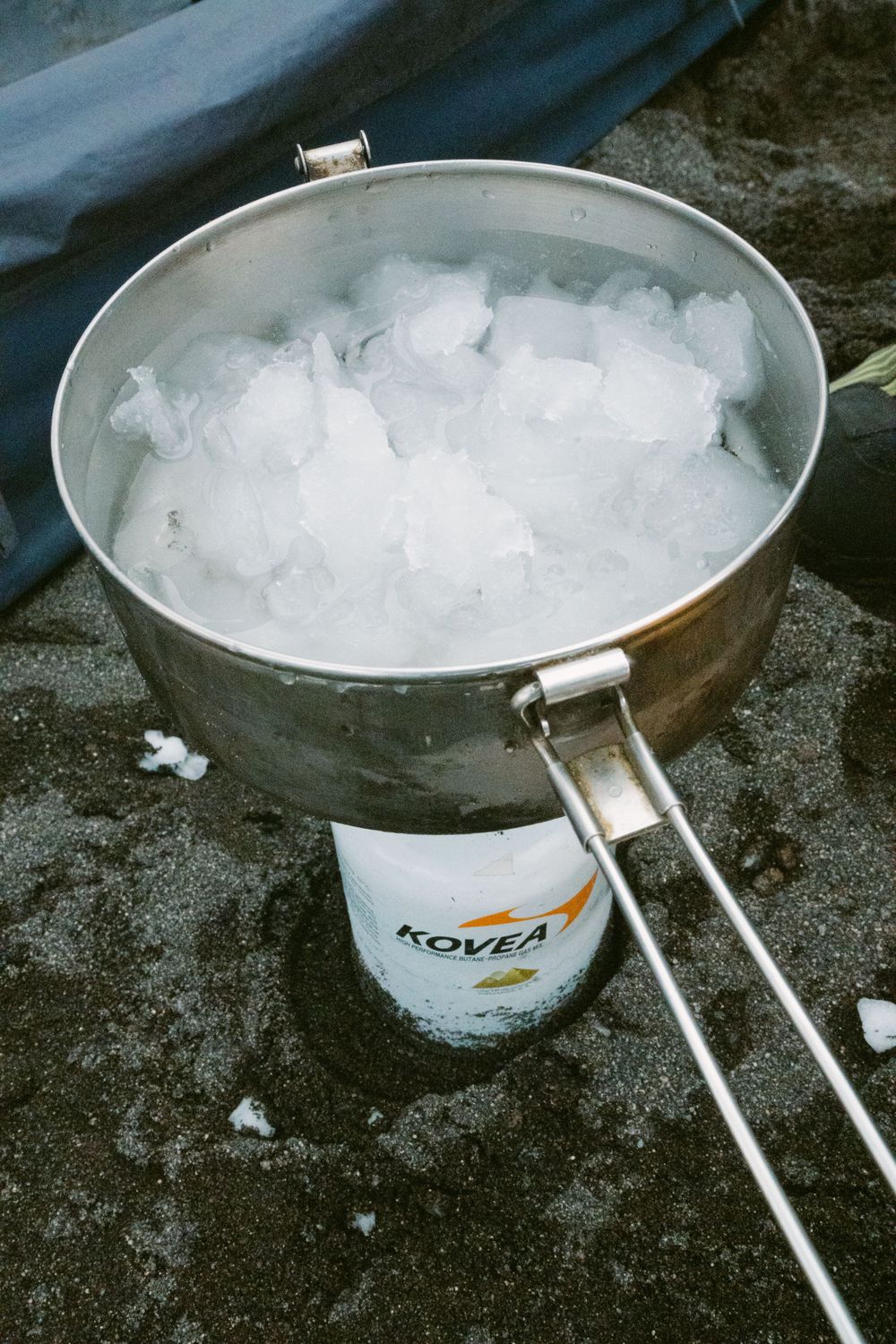
"We're melting snow for water now," another added. "That problem is solved."
"We could wait it out."
"Two of us already decided to go down. We owe them the respect of making the right call." - Guillermo
A silence that followed, it was the group arriving at the same conclusion from different angles. We backed down the next morning and spent the night at 4800mts.
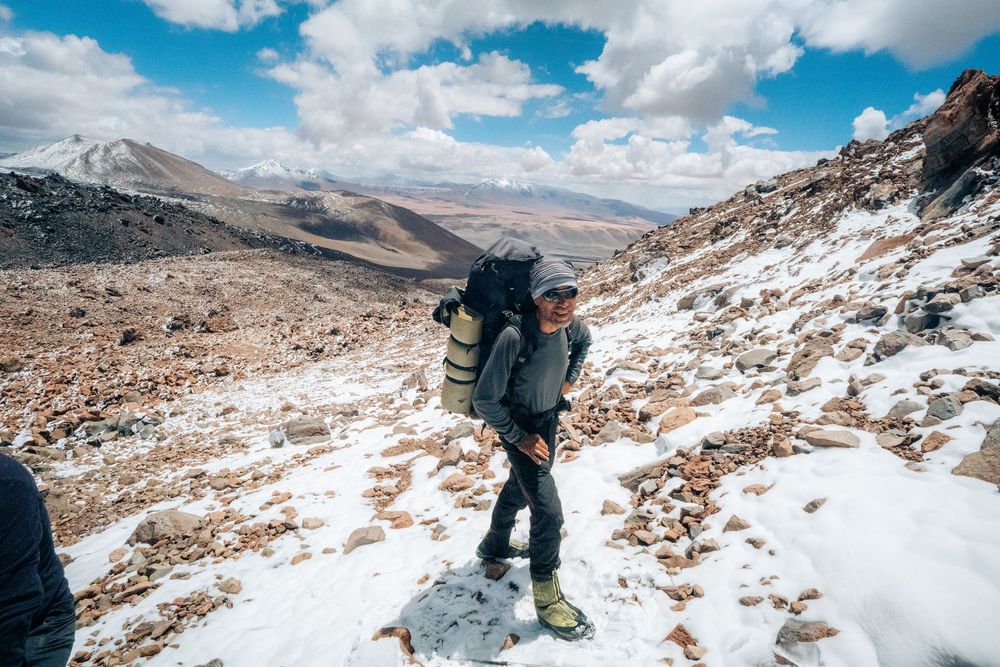
The thermal swings in the Puna are brutal. When the sun came out, the snow melted in hours. We refilled every container we had. The storm had bought us time. The next morning, we loaded the trucks and drove 12 kilometers around the massif to the base of the eastern approach. From there, it was on foot, lighter packs now, no margin left for hesitation.
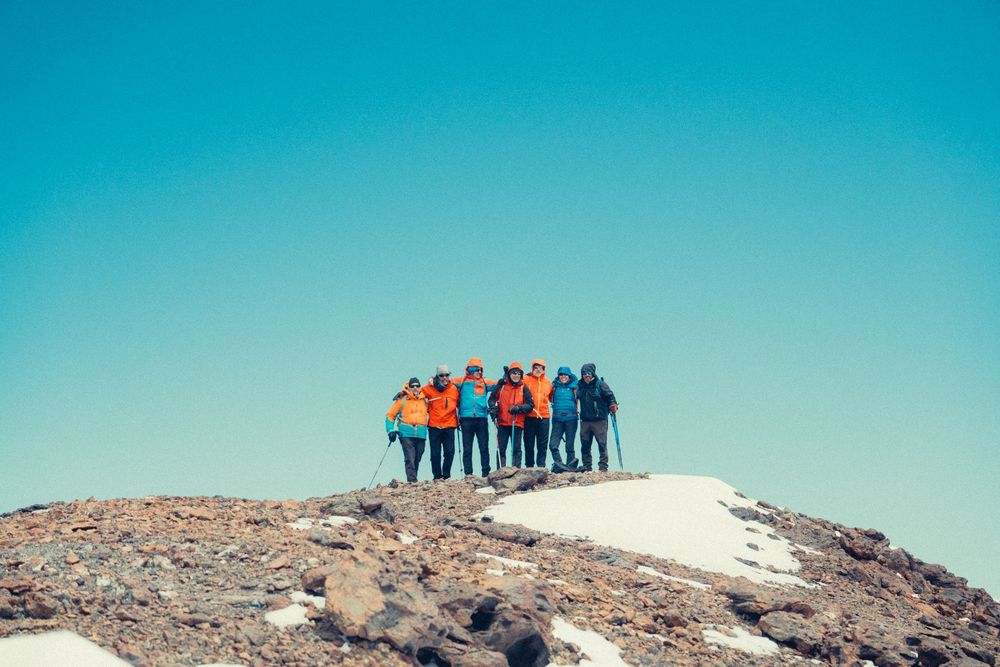
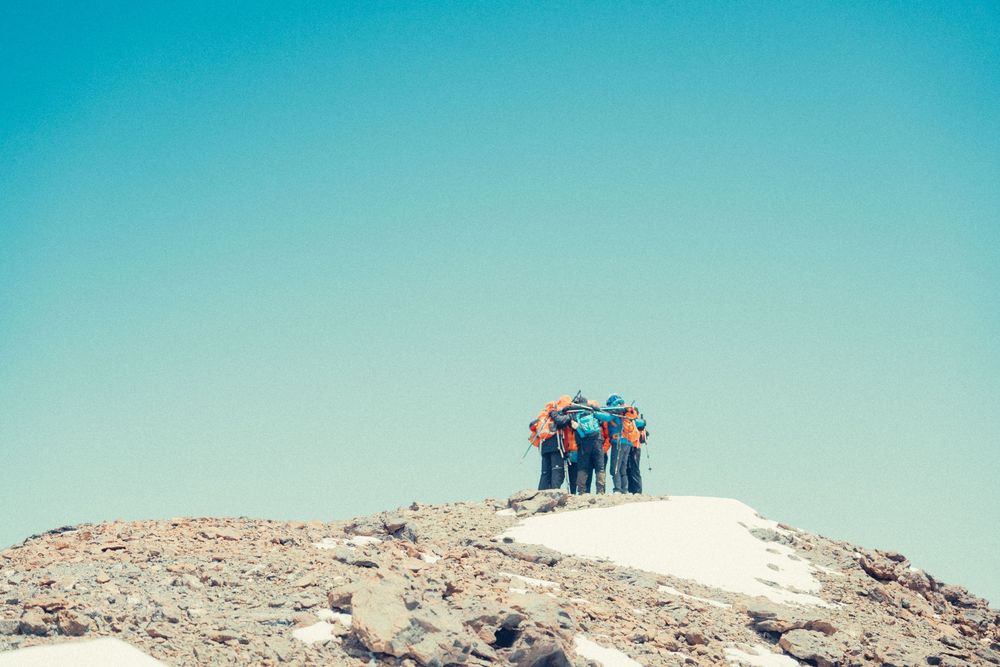
When we reached the top, we couldn't believe it... I couldn't stop thinking we were standing where no one had stood before, in a world where everything feels discovered, cataloged, optimized, that matters.
The Andes still hold hundreds of five-thousand-meter peaks that don't appear on Maps. The Puna remains impredictable, inhospitable, and far from everything. Henri never made it to this summit. But in a way, he was there.
My father didn't make this trip. But he sent someone who needed to understand what a mountain asks of you. I came back different than I left. Not because I summited. Because I learned to sit in the uncertainty, trust the people next to me, and keep moving when the only map is the one you're drawing as you go.
That's what the Puna teaches and that's why people keep going back.